Church of Saint George: Architectural Gem in Locorotondo
June 13, 2025

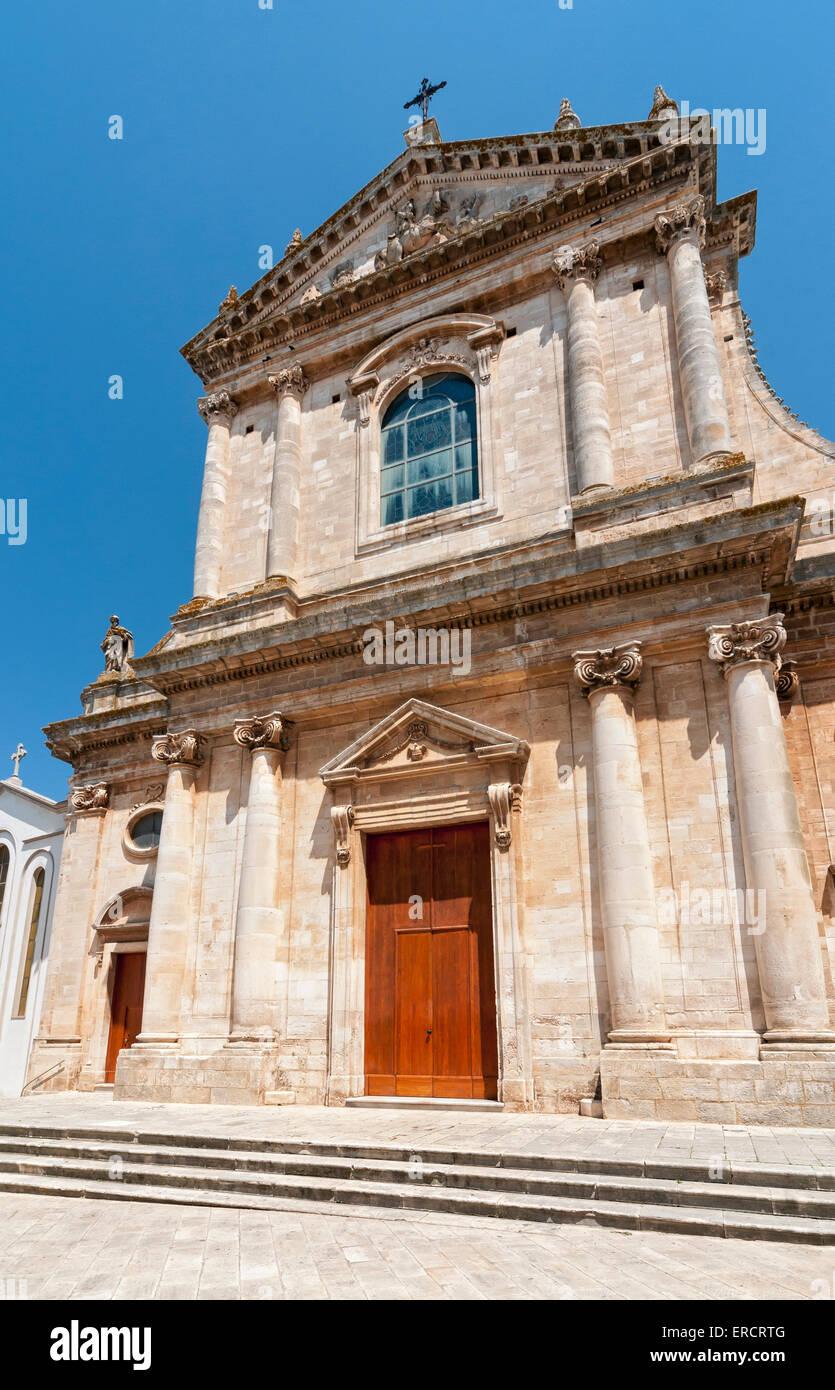
We spent about 45 minutes exploring the Church of Saint George, capturing the stunning white stone facade and learning about local religious traditions. The church is conveniently located in Locorotondo's historic center, just a short walk from the town's main square, making it easy to combine with a broader exploration of the area.
Tucked in the heart of Puglia's most picturesque town, the Church of Saint George reveals centuries of architectural secrets hidden in its stone walls. Discover the silent stories of Locorotondo's spiritual heritage, where every carved detail whispers tales of local craftmanship and tradition.
Need-to-Know Info Before Visiting Church of Saint George
4+
images
Church of Saint George Address
Via Cappuccini, 74/76, 70010 Locorotondo BA, Italy
Church of Saint George Opening Hours
- 🕒 Monday-Saturday: 8:00 AM - 12:00 PM
- 🕒 Sunday: 7:30 AM - 1:00 PM
- 🕒 Limited access during religious ceremonies
How to get to Church of Saint George
- 🚗 By car: Accessible from SS172 highway, free street parking nearby
- 🚌 Public transport: Local bus lines from Bari, stop at Locorotondo town center
- 🚕 Rideshare: Taxi and local transport services available in town
What is Church of Saint George known for?
- Represents classic 18th-century Baroque architectural style in Puglia
- Located in the historic white-washed center of Locorotondo
- Features intricate stone facade with traditional local craftsmanship
- Significant religious landmark for local Catholic community
- Part of Locorotondo's UNESCO World Heritage cultural landscape
What is Church of Saint George in Locorotondo?
Nestled in the heart of Locorotondo, a charming town in Puglia's Valle d'Itria, the Church of Saint George stands as a quintessential example of southern Italian religious architecture. This compact stone church attracts steady streams of travelers exploring the region's cultural landscape, particularly those interested in architectural heritage and local religious traditions. Situated within Locorotondo's distinctive white-washed historic center, the church blends seamlessly with the town's characteristic urban design. Travelers typically spend 30-45 minutes exploring its exterior and interior, often combining the visit with walking tours of the town's medieval streets. While not the largest church in the region, Saint George offers authentic insights into local architectural styles of the 18th century, featuring traditional Pugliese stone masonry and understated Baroque design elements. Photography enthusiasts appreciate the church's clean lines and the way sunlight plays across its stone facade, making it a popular spot for capturing the essence of small-town Italian religious architecture. Local residents consider the church a community cornerstone, with regular masses and community events that showcase its ongoing cultural significance beyond its historical value.
Top things to do at Church of Saint George
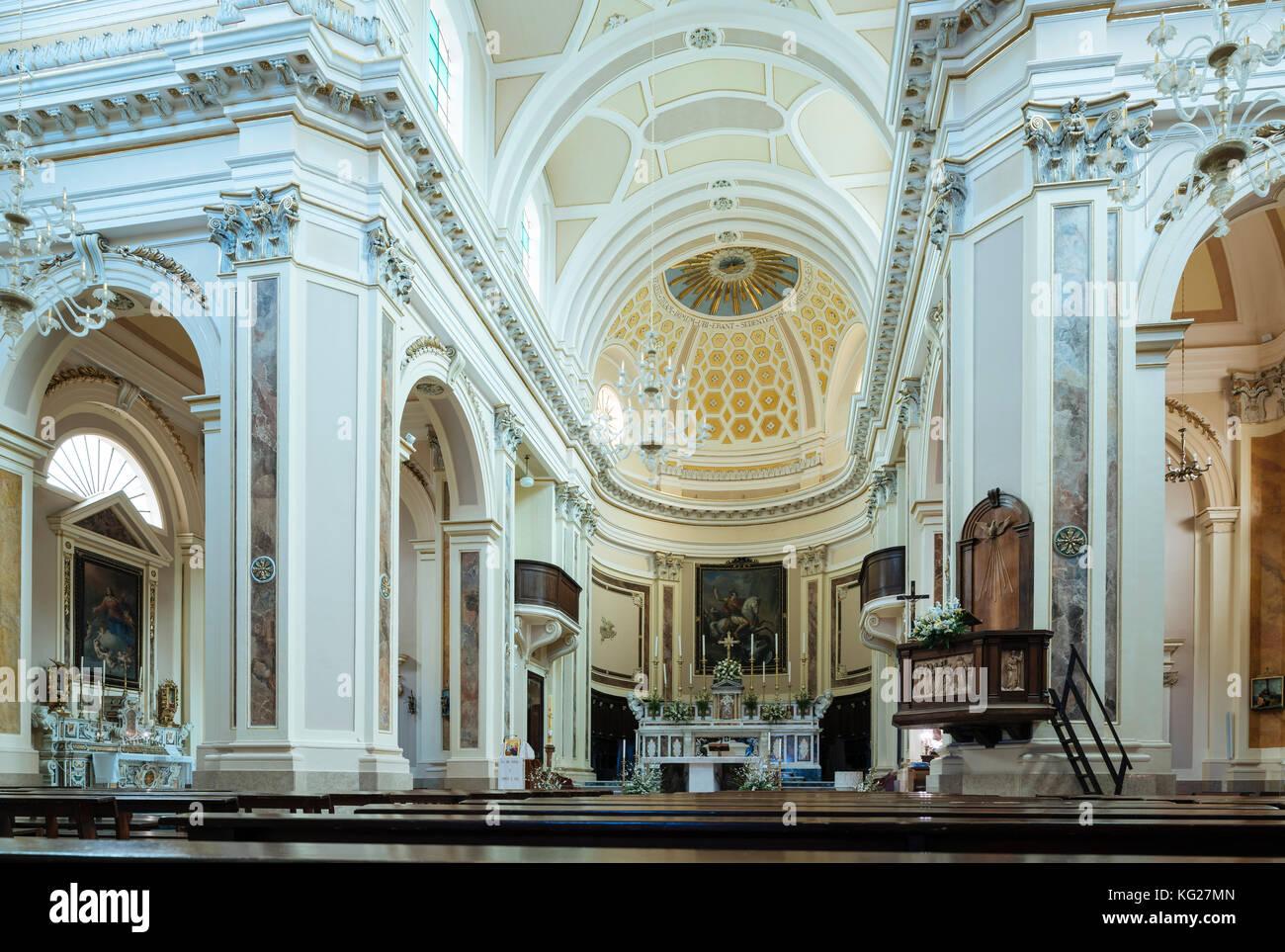
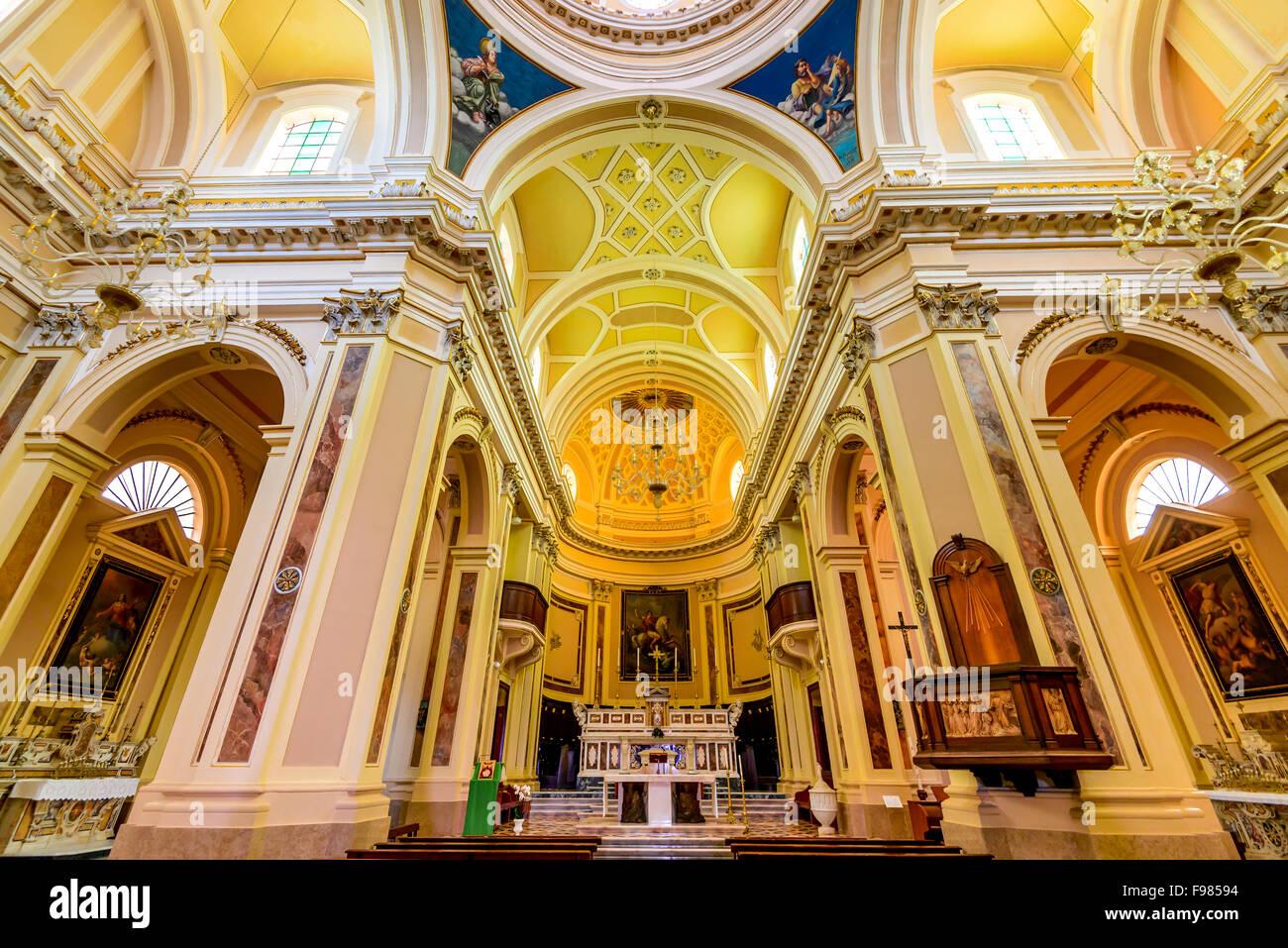
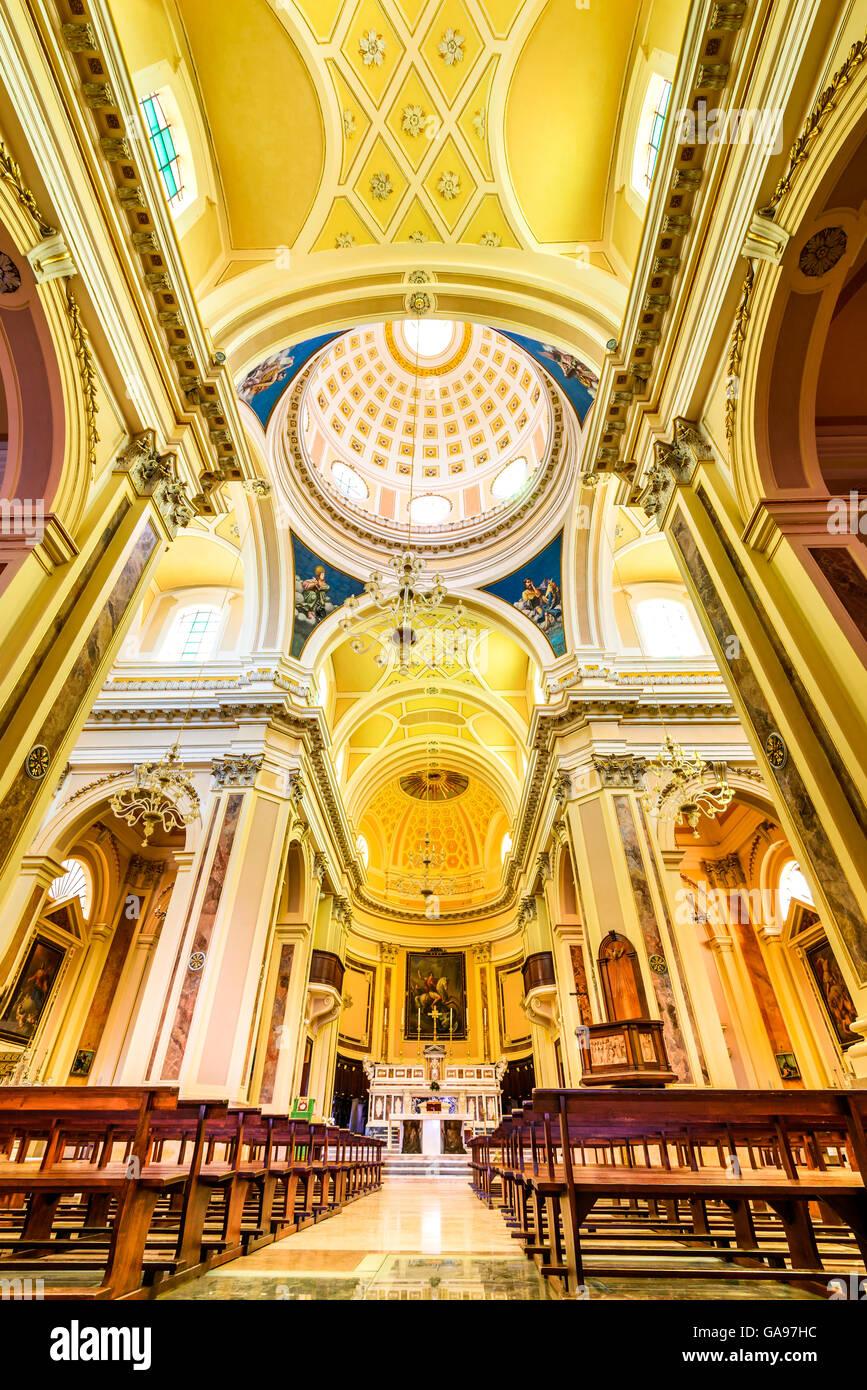
- Admire the intricate Baroque altar featuring local marble work from the 18th century
- Examine the detailed stone carvings around the church's main entrance, showcasing traditional Pugliese craftsmanship
- Listen to the church bells that ring hourly, marking local community time
- Attend a traditional Catholic mass to experience local religious culture and community gathering
- Study the church's architectural layout, which represents typical southern Italian religious building design
- Take photographs of the church's white stone facade, capturing Locorotondo's characteristic architectural style
- Visit during religious festivals to see traditional local ceremonies and community celebrations
- Check out the small side chapels with local religious artwork and historical artifacts
Tickets and Entry
Entry to the Church of Saint George is typically free for visitors. However, donations are welcome and help support the church's maintenance. During special events or religious ceremonies, a small fee might be charged. Visitors should check current local guidelines before planning their visit.
Dress Code
As a functioning Catholic church, modest attire is required. Visitors should wear clothing that covers shoulders and knees. Avoid tank tops, shorts, and revealing clothing. A light scarf or shawl can be helpful for covering up if needed. Photography inside the church is permitted but without flash.
History of Church of Saint George
- 1750: Original church construction completed in Locorotondo's historic center
- 1823: Major renovation of the church facade and interior decorations
- 1920: Restoration of the main altar and addition of local marble elements
- 1965: Significant architectural preservation work undertaken
- 2000: Declared a local historical monument by regional authorities
- 2010: Comprehensive restoration of stone exterior and structural elements
Cultural Significance
The Church of Saint George represents more than a religious building-it's a cornerstone of Locorotondo's community identity. Local residents gather here for important religious ceremonies, weddings, and community events. The church symbolizes the town's deep Catholic traditions and architectural heritage, serving as a living museum of local cultural practices.
Tips for Visitors
- Best visited in morning or late afternoon for optimal lighting
- Combine visit with walking tour of Locorotondo's white-washed historic center
- Bring a water bottle and comfortable walking shoes
- Check local event calendar for potential service times
- Consider hiring a local guide for deeper historical context
- Nearby cafes offer perfect spot for post-visit refreshments
What are some interesting facts about Church of Saint George?
- The church's marble altar was crafted by local artisans using stone from nearby Martina Franca quarries, a technique passed down through generations
- During the annual Saint George feast day, local residents perform a traditional procession that has remained unchanged for over 200 years
- Hidden within the church's stone facade are several carved symbols believed to be markers from the original medieval stonemasons, invisible to casual observers